
What are the warning signs of preeclampsia?
 What are the warning signs of preeclampsia?
Watch for a headache that won’t go away, blurred vision or seeing spots, pain on the upper right side of your stomach, sudden swelling in your face or hands, and trouble breathing. Some mamas have no symptoms at all, which is why regular blood pressure checks matter. If you notice any of these signs, call your provider right away or go to the emergency room.
Who is at risk?
What blood pressure reading is too high during pregnancy?
 What blood pressure reading is too high during pregnancy?
A reading of 140/90 or higher is considered high in pregnancy. A reading of 160/110 or higher is an emergency and needs care right away. Ask your provider which numbers should prompt a call to them.
Can you get preeclampsia after giving birth?
 Can you get preeclampsia after giving birth?
Yes. Postpartum preeclampsia usually shows up within two days of delivery, but it can develop up to six weeks later. Keep watching for warning signs after you go home, and tell any provider you see that you recently gave birth.
How does preeclampsia affect my baby?
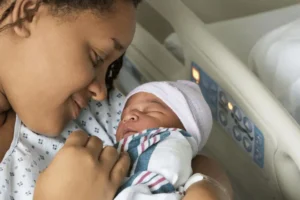 How does preeclampsia affect my baby?
Preeclampsia can reduce blood flow to the placenta, so your baby may get less oxygen and fewer nutrients. That can slow your baby’s growth or lead to an early delivery.
How is preeclampsia treated?
Can preeclampsia be prevented?
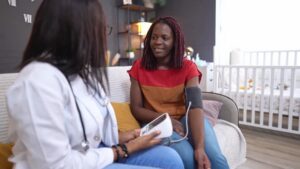
Can preeclampsia be prevented?
There’s no guaranteed way to prevent it. Providers often recommend low-dose aspirin, starting after 12 weeks, for mamas at high risk. Talk to your provider before taking aspirin during pregnancy.
If I had preeclampsia once, will I get it again?
Does preeclampsia affect my health later in life?
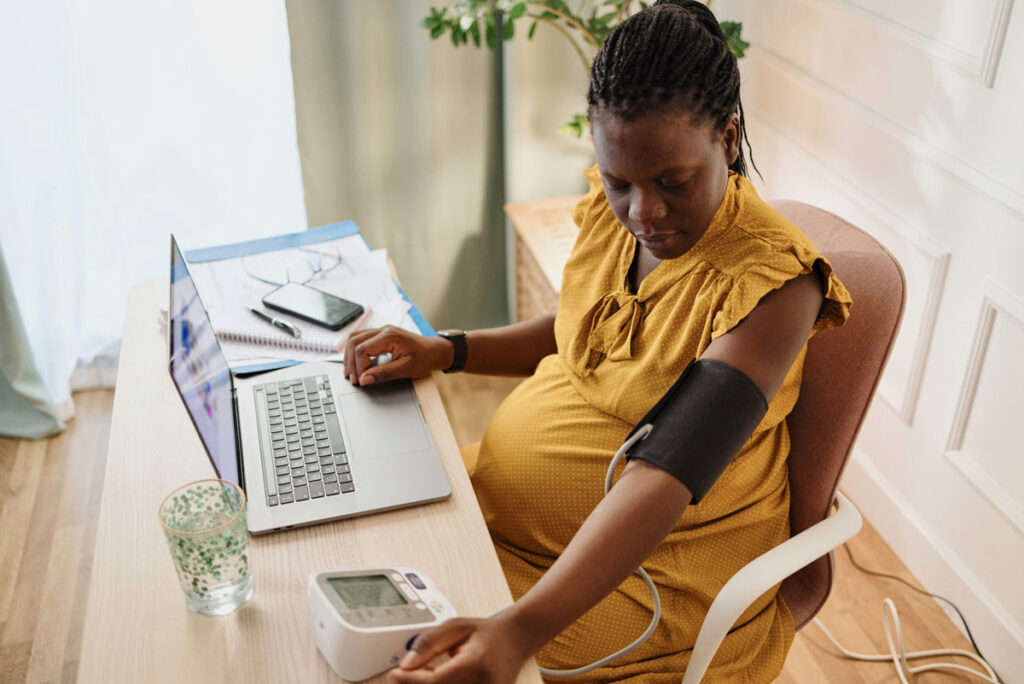
Why should I check my blood pressure at home?
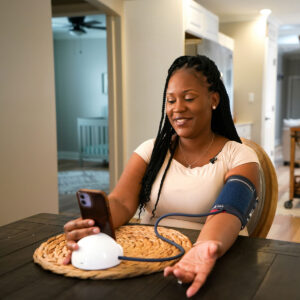 Why should I check my blood pressure at home?
Preeclampsia can develop between appointments, and home checks help you catch a rise early. Through Cuff It, PHEI gives you a blood pressure cuff and a nurse who will help you understand your numbers and know when to get care.